01
Mathematics · EE/ECE
Algebra, Functions, Exponents and Logarithms
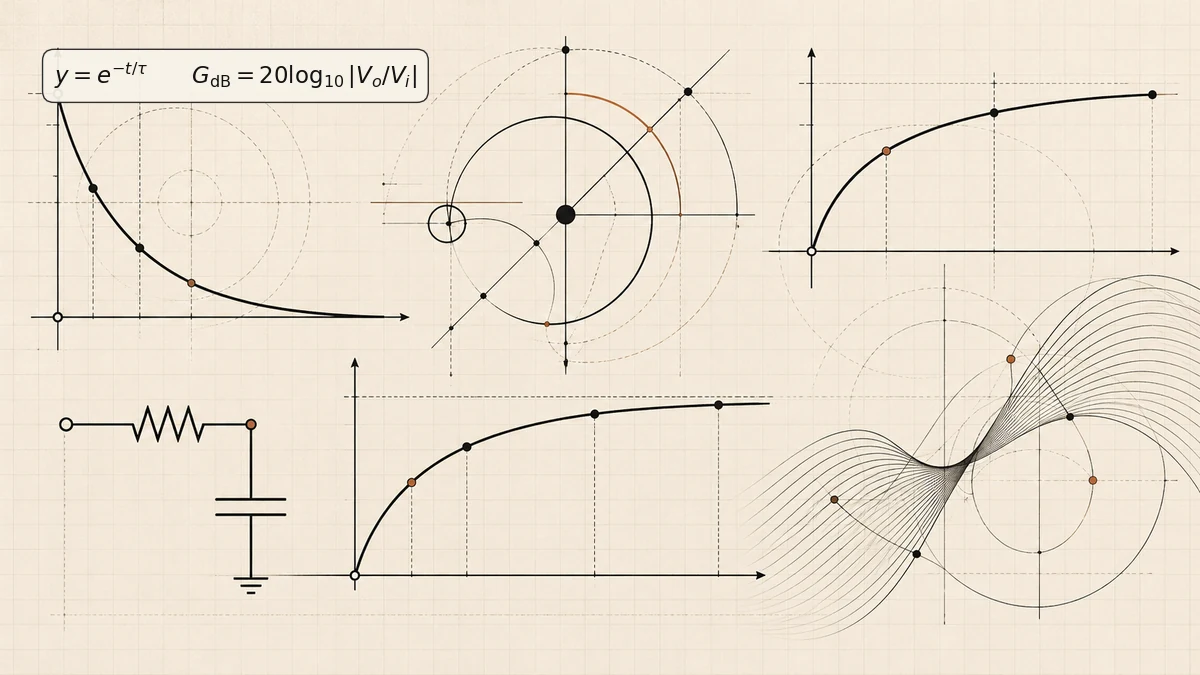
Rearrange circuit equations and understand exponential transients, gain and decibels.
Prerequisite: None
0 of 3 learning stages completed
Twenty carefully structured modules build the mathematical foundation needed to understand circuits, signals, control systems, power electronics, communication systems and semiconductor engineering. Students can learn each concept visually, practise it interactively and retain a detailed CAEE reference paper.
Follow the complete sequence or select the pathway closest to your engineering goal. Every chapter includes theory, symbols, formulas, examples, an interactive diagram, practice and a detailed study paper.
The essential language for equations, AC signals, fields, circuit networks and state-space thinking.
Rearrange circuit equations and understand exponential transients, gain and decibels.

Read AC waveforms, phase, three-phase systems, rotating machines and modulation.

Solve sinusoidal steady-state circuits using one object for magnitude and phase.
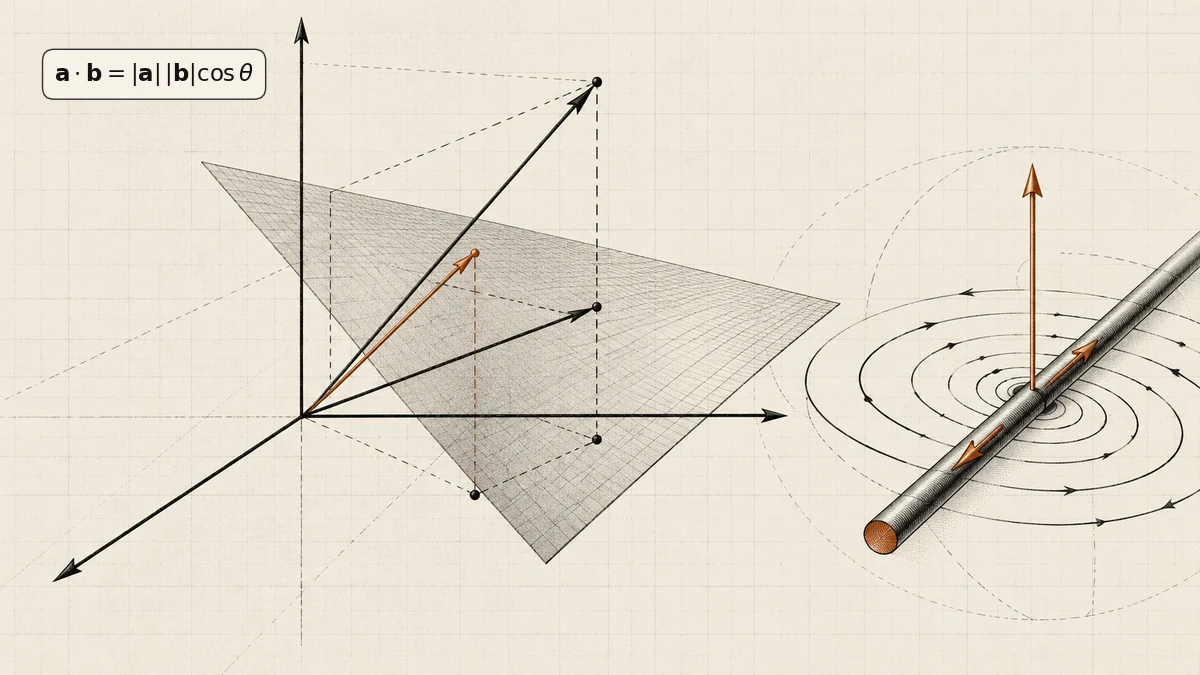
Describe fields, forces, coordinate systems and three-phase space vectors.

Solve nodal networks, coupled equations, transformations and power-flow models.

Understand natural modes, stability, resonance and state-space system behaviour.
Rates of change, accumulation, spatial fields and the differential equations behind dynamic electrical systems.

Measure waveform slope, device sensitivity, gain and local small-signal change.
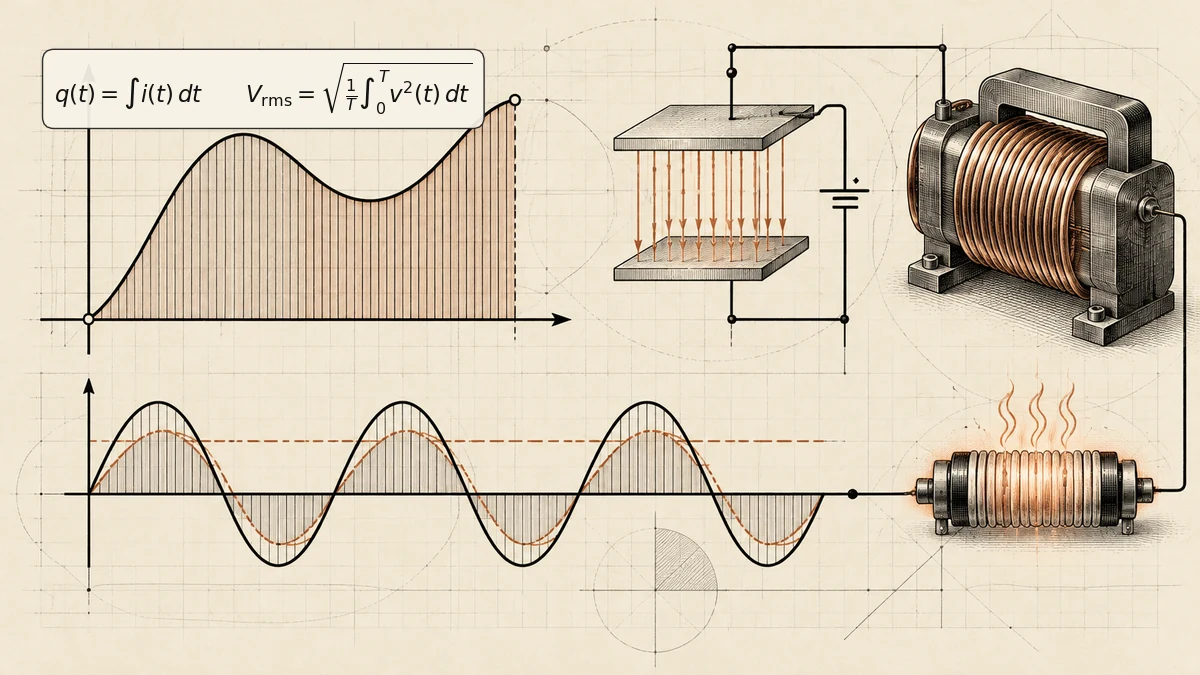
Compute charge, flux linkage, energy, average value and RMS quantities.
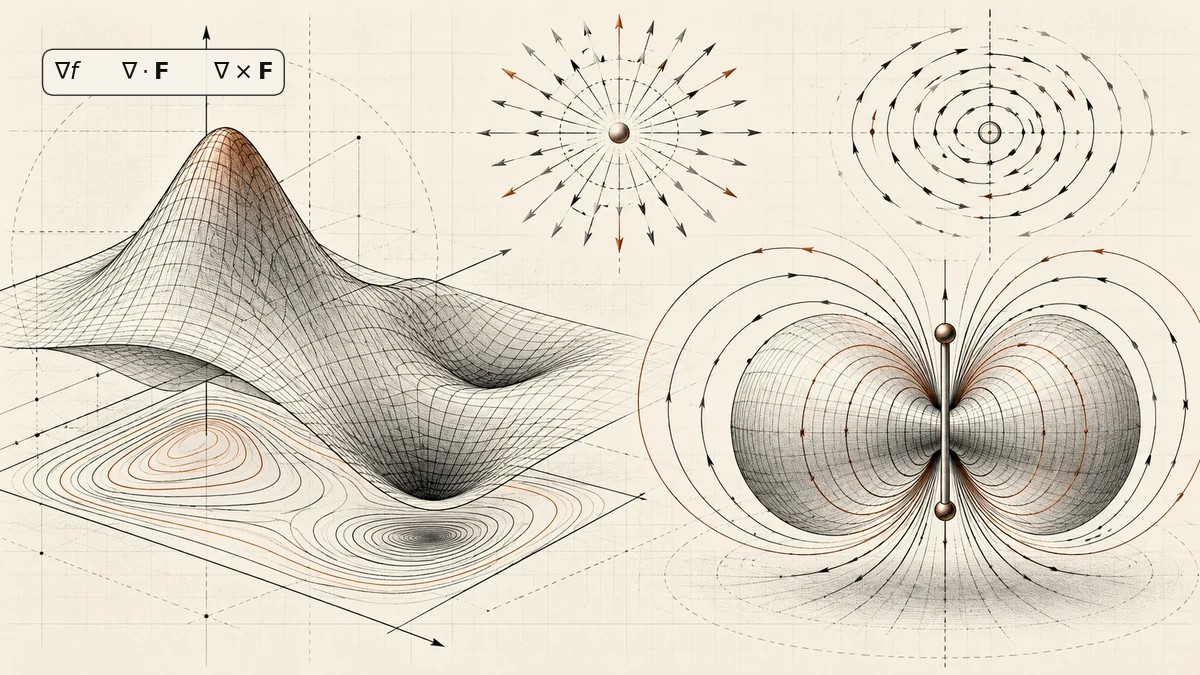
Analyse electric and magnetic fields that vary across several spatial variables.
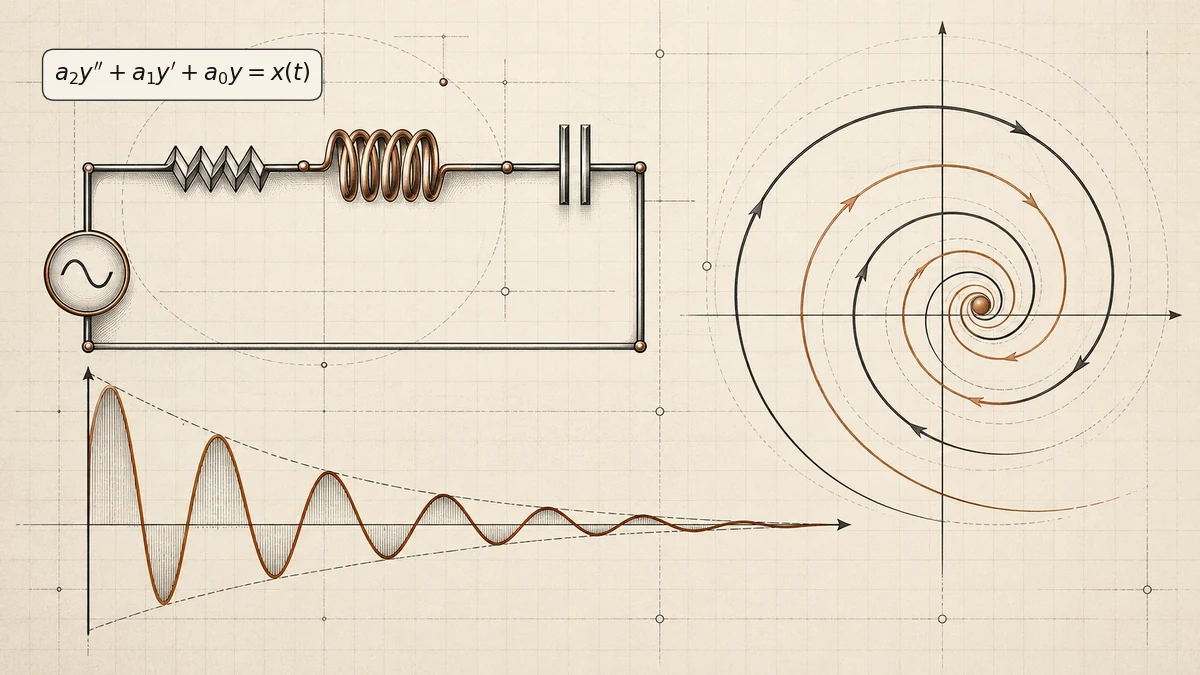
Model RC/RL/RLC transients, feedback dynamics and control-system response.

Model waves, heat flow and distributed electromagnetic or power-device behaviour.
Continuous and discrete transforms, probability, distributions and the mathematics used to describe electrical noise.
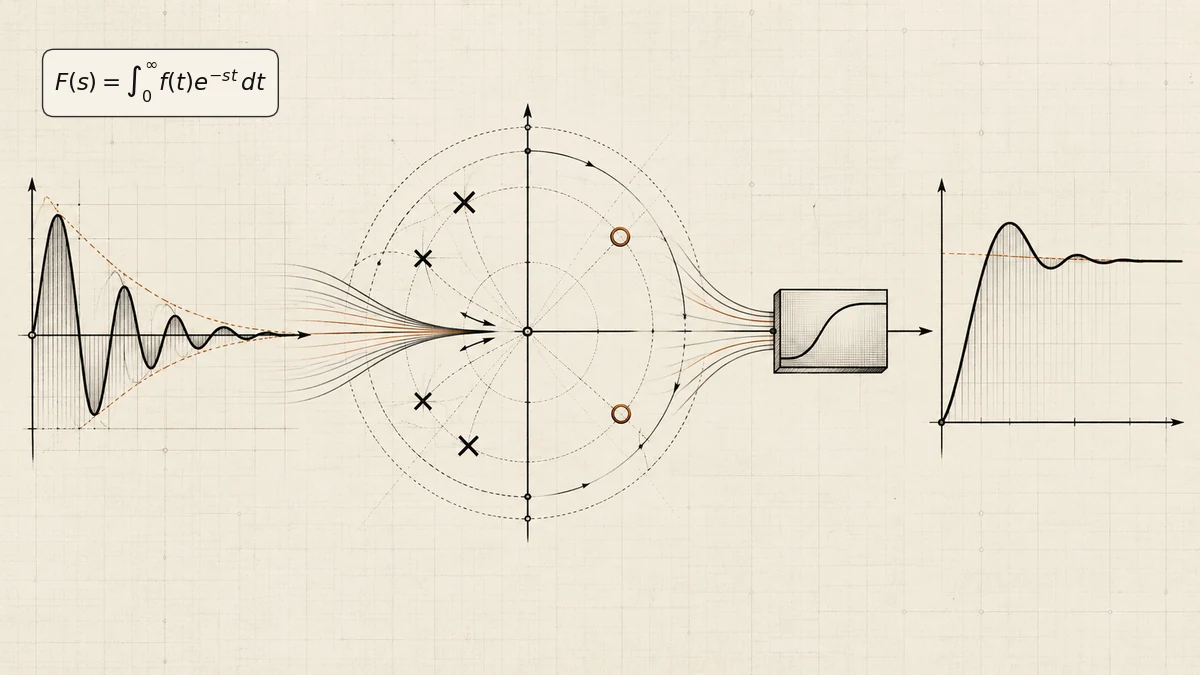
Convert differential systems into algebraic transfer functions with initial conditions.

Analyse sampled systems, difference equations and digital filters.
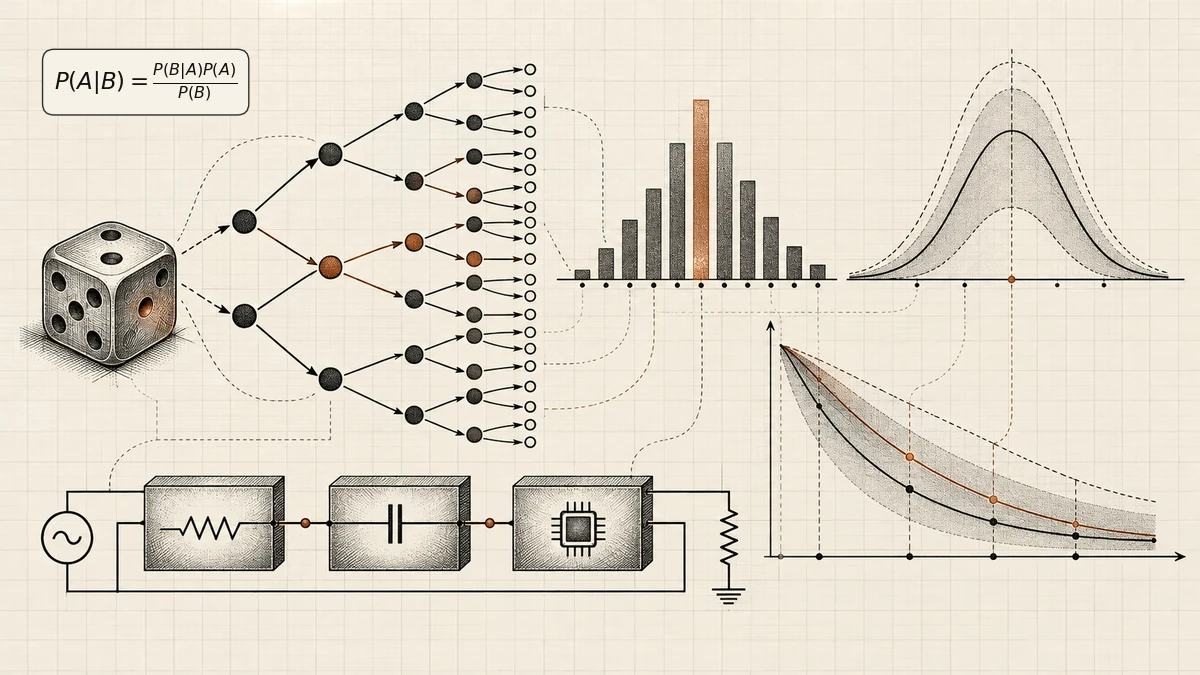
Quantify component tolerance, reliability, measurement uncertainty and errors.

Describe uncertain measurements, noise amplitudes and component distributions.
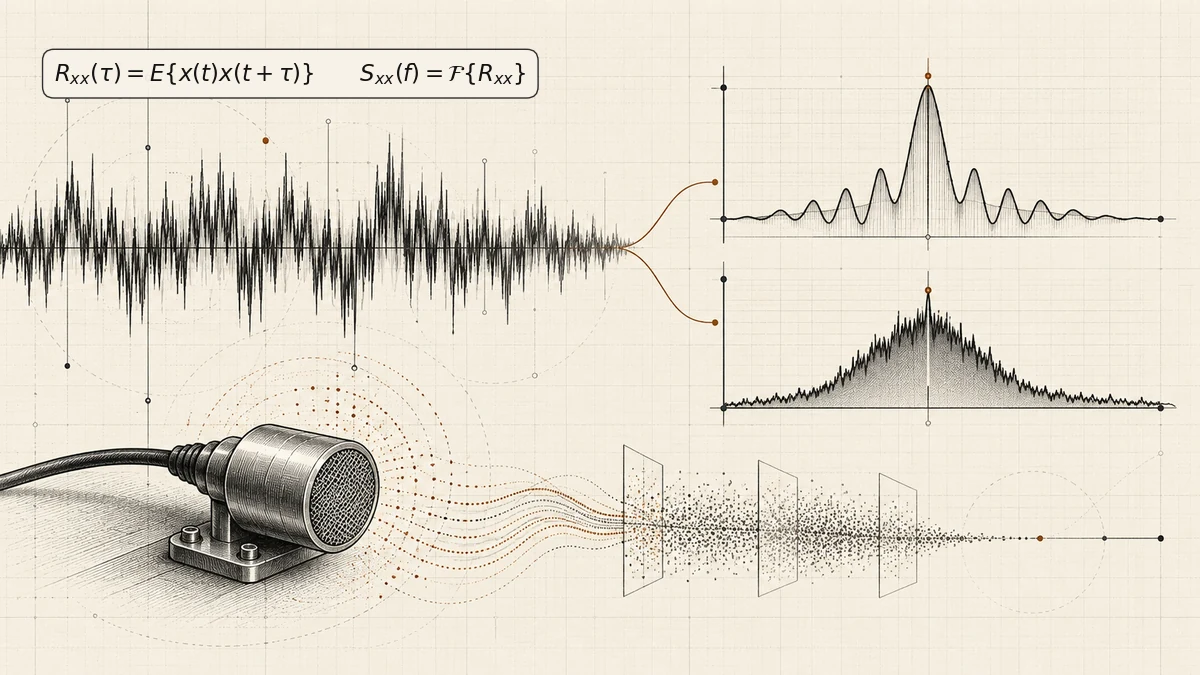
Characterise electrical noise, correlation, stationarity and power spectral density.
Numerical solution, engineering optimisation, complex-variable methods and discrete network reasoning.
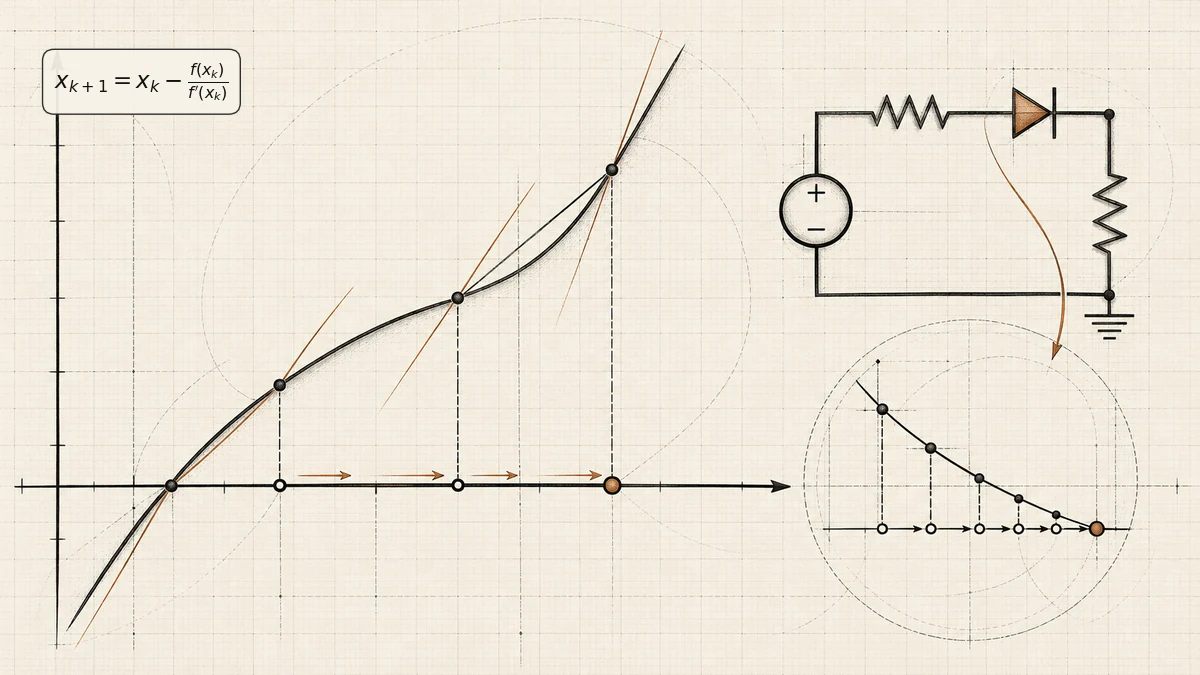
Solve nonlinear circuit, device and power-flow equations when closed forms fail.
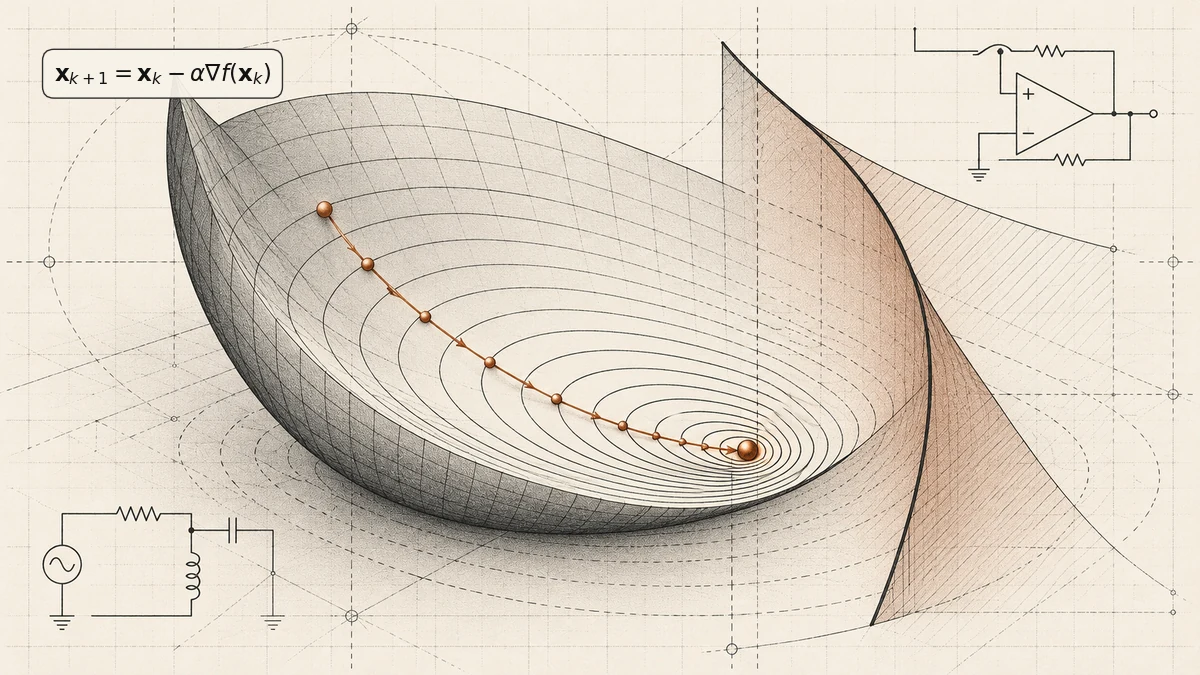
Tune controllers and engineering designs while respecting physical constraints.
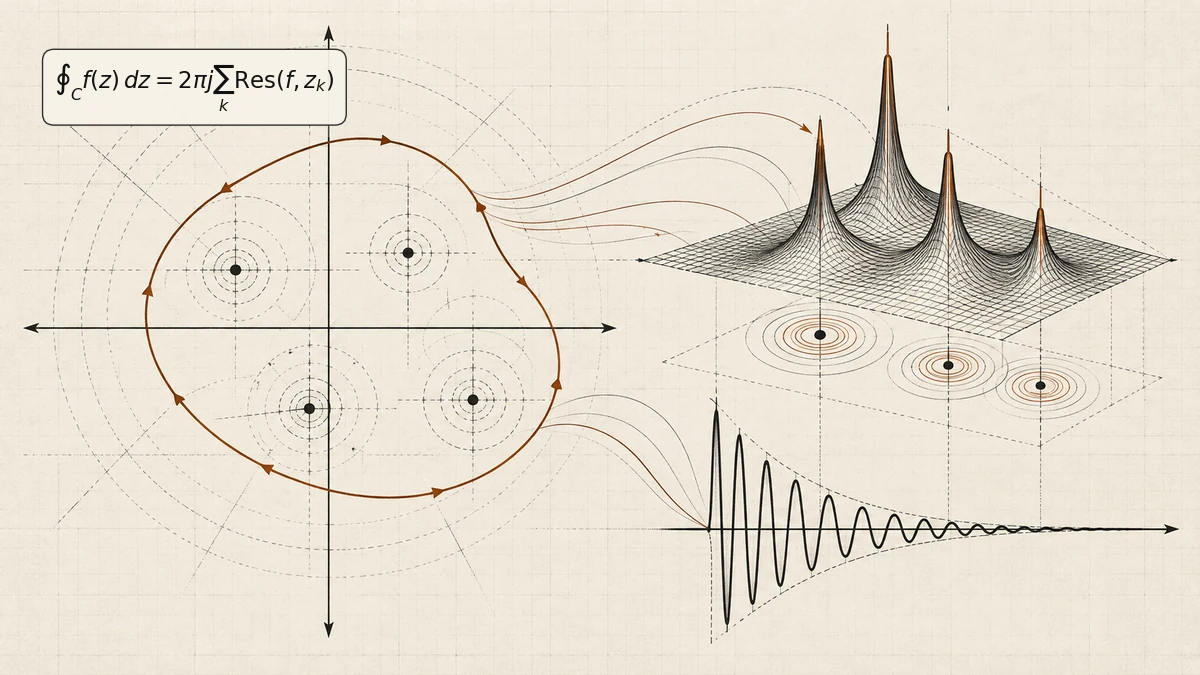
Evaluate inverse transforms, residues, analytic functions and frequency response.
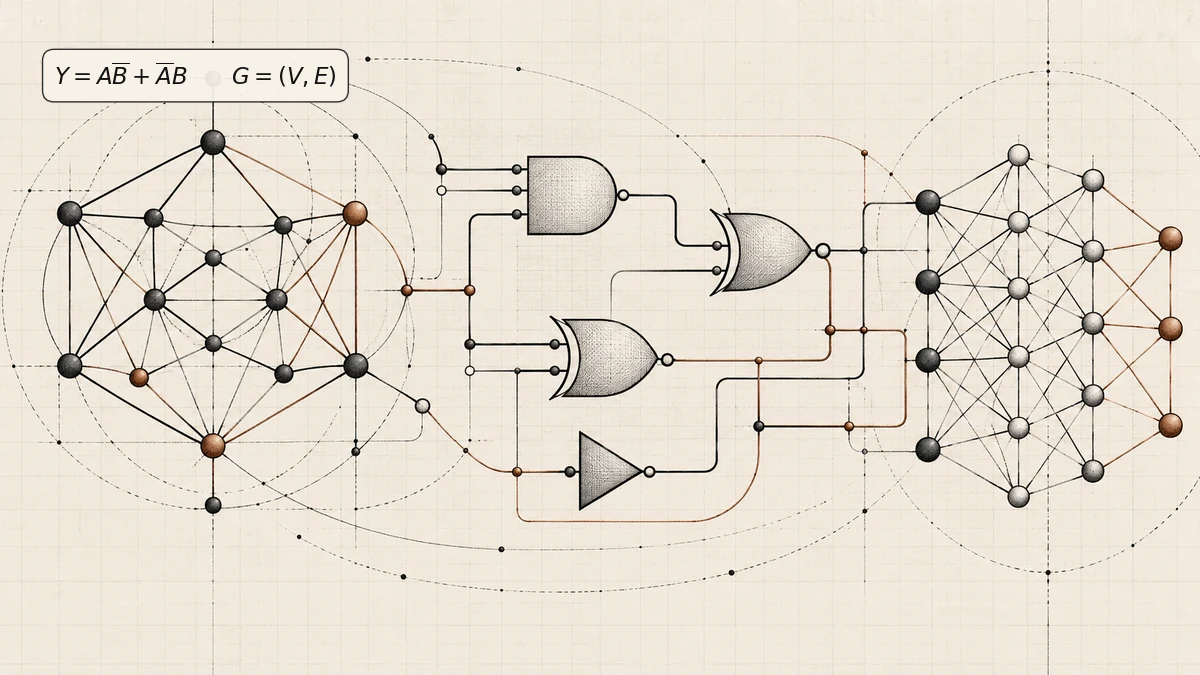
Model digital logic, finite states, switching networks and graph connectivity.